
Keep Hydraulic Systems Clean, Stable, and Reliable
Hydraulic System Lubrication
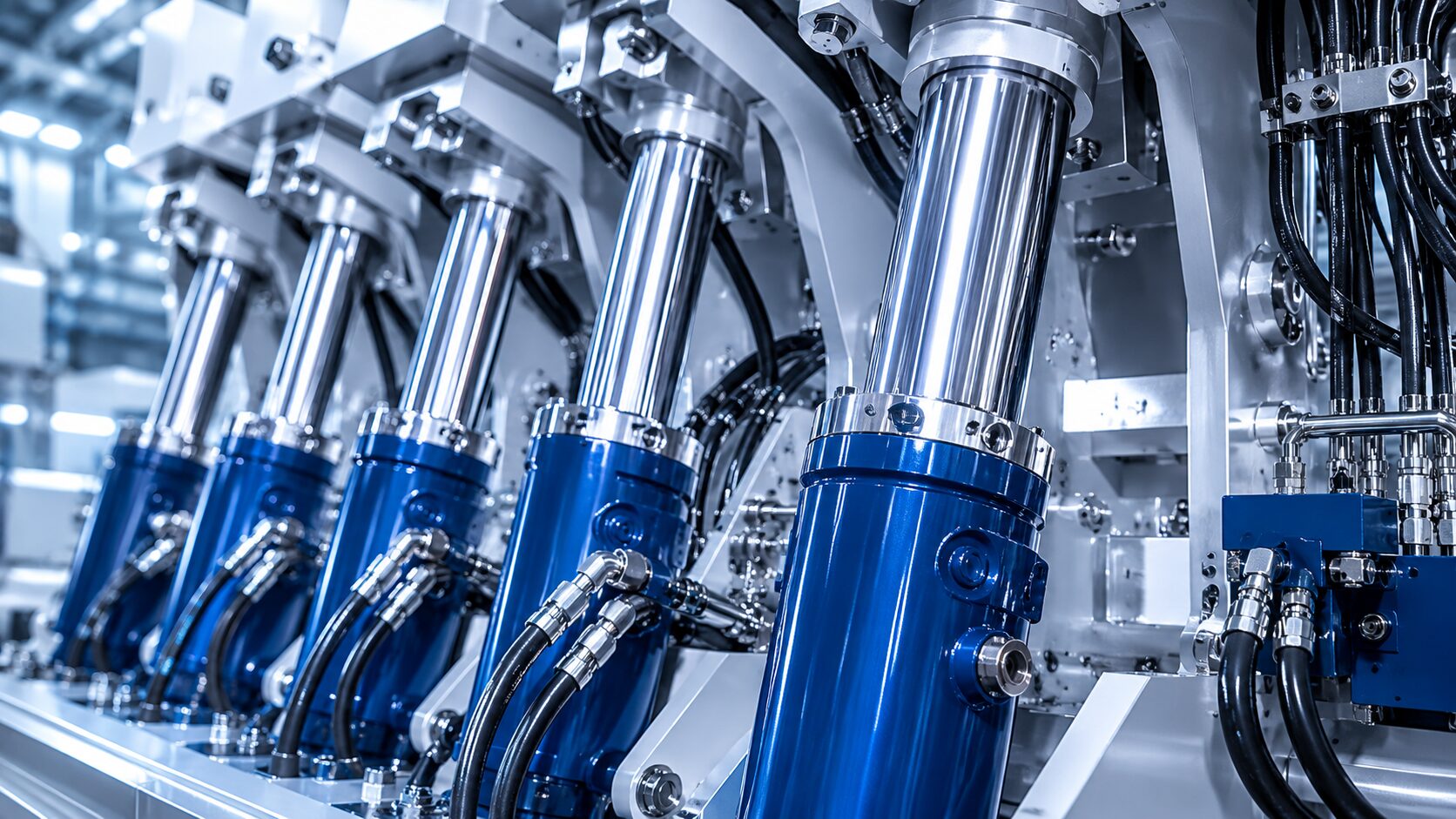
Hydraulic systems rely on oil as a power transmission medium, lubricant, heat transfer medium, sealing support, and protection system for precision components. As modern hydraulic equipment operates at higher pressure and tighter tolerances, oil cleanliness, viscosity stability, oxidation control, filterability, and water management become critical reliability factors.
Why Lubrication Matters
Hydraulic failure is often not caused by oil absence, but by incorrect oil condition. Even when the oil volume is sufficient, the system can lose reliability if the viscosity is wrong, the oil is oxidized, particles are uncontrolled, water enters the reservoir, air is entrained in the fluid, or filters become overloaded. A good hydraulic lubrication program must therefore combine correct product selection with contamination control, oil analysis, filtration practice, sealed transfer, and condition-based maintenance.
Key Lubricant Selection Factors
- Viscosity Selection
- The fluid must be thin enough to flow at start-up and thick enough to maintain lubricant film under operating temperature and pressure. Wrong viscosity may cause poor response, internal leakage, pump noise, heat generation, energy loss, and accelerated wear.
- Anti-Wear Protection
- Vane, piston, and gear pumps rely on anti-wear chemistry to protect surfaces during boundary lubrication. Anti-wear performance is especially important during start-up, high load, pressure spikes, or contamination events.
- Oxidation Stability
- Heat, air, catalytic metals, water, and fine particles accelerate oxidation. Oxidized hydraulic oil can become darker, thicker, more acidic, and more likely to generate sludge or varnish that affects valves and filters.
- Foam Control and Air Release
- Entrained air increases compressibility, reduces control stiffness, creates noise, promotes cavitation, accelerates oxidation, and reduces lubricant film strength. Foam can indicate air leakage, low reservoir level, contamination, incompatible oil, or poor reservoir design.
- Water Separation and Rust Protection
- Water can cause corrosion, additive depletion, filter plugging, microbial growth, poor lubrication, and component damage. Hydraulic oils should support water separation where required and provide rust protection for internal surfaces.
- Filterability and Cleanliness
- Modern hydraulic systems are sensitive to particles. Oil must remain filterable and support target ISO cleanliness levels. Filter plugging may indicate contamination, water, sludge, varnish, incompatible fluids, or additive instability.
Common Operating Problems and Technical Symptoms
| Problem / Symptom | Possible Technical Cause |
|---|---|
| Valve sticking or sluggish operation | Often connected to particles, varnish, degraded oil, incorrect viscosity, water, or poor air release. |
| Pump noise and cavitation | May come from suction restriction, air entrainment, wrong viscosity, low oil level, high temperature, or foaming. |
| Short oil life | Usually driven by high temperature, oxidation, poor reservoir breathing, water contamination, and poor oil storage or transfer. |
| Filter plugging | Can result from particles, water, sludge, varnish, incompatible fluids, or poor oil condition. |
| Unexpected hydraulic failure | Often connected to uncontrolled contamination and lack of oil analysis trending. |
Austin Technical Approach
Austin supports hydraulic reliability by reviewing pump type, OEM recommendation, ISO VG, actual operating temperature, pressure, reservoir condition, ambient environment, current oil condition, filter performance, cleanliness target, and maintenance objective. The recommendation should not be made only by viscosity grade. Austin can recommend Hydrex Pro, Hydraulic AW, Hydrex HV, Hydrex ZF, filtration practice, oil sampling, storage improvement, and condition-based oil change actions.
Recommended Austin Product Groups
Austin Hydrex Pro
Pro
View product →Austin Hydraulic AW
Standard
View product →Austin Hydrex Pro HV
Pro
View product →Austin Hydraulic HV
Standard
View product →Austin Hydrex Pro ZF
Pro
View product →Austin Hydraulic ZF
Standard
View product →Related Austin Technical Services
Hydraulic oil analysis, contamination control survey, filtration recommendation, breather recommendation, product conversion support, storage and handling improvement, and maintenance team training.