
Select the Right Grease for Load, Speed, Temperature, and Environment
Grease Lubrication for Bearings
Grease selection directly affects bearing life, motor reliability, equipment protection, and maintenance cost. Grease is not simply thick oil. It is a structured lubricant made from base oil, thickener, and performance chemistry. The wrong grease can cause overheating, wear, leakage, hardening, softening, water washout, or compatibility problems.
Why Lubrication Matters
Grease must be selected by operating condition and application method. A bearing operating at high speed needs different base oil viscosity and consistency than a slow, heavily loaded bearing. Wet environments need water resistance. High temperature applications need thermal stability. Mixing incompatible greases can reduce performance and change consistency.
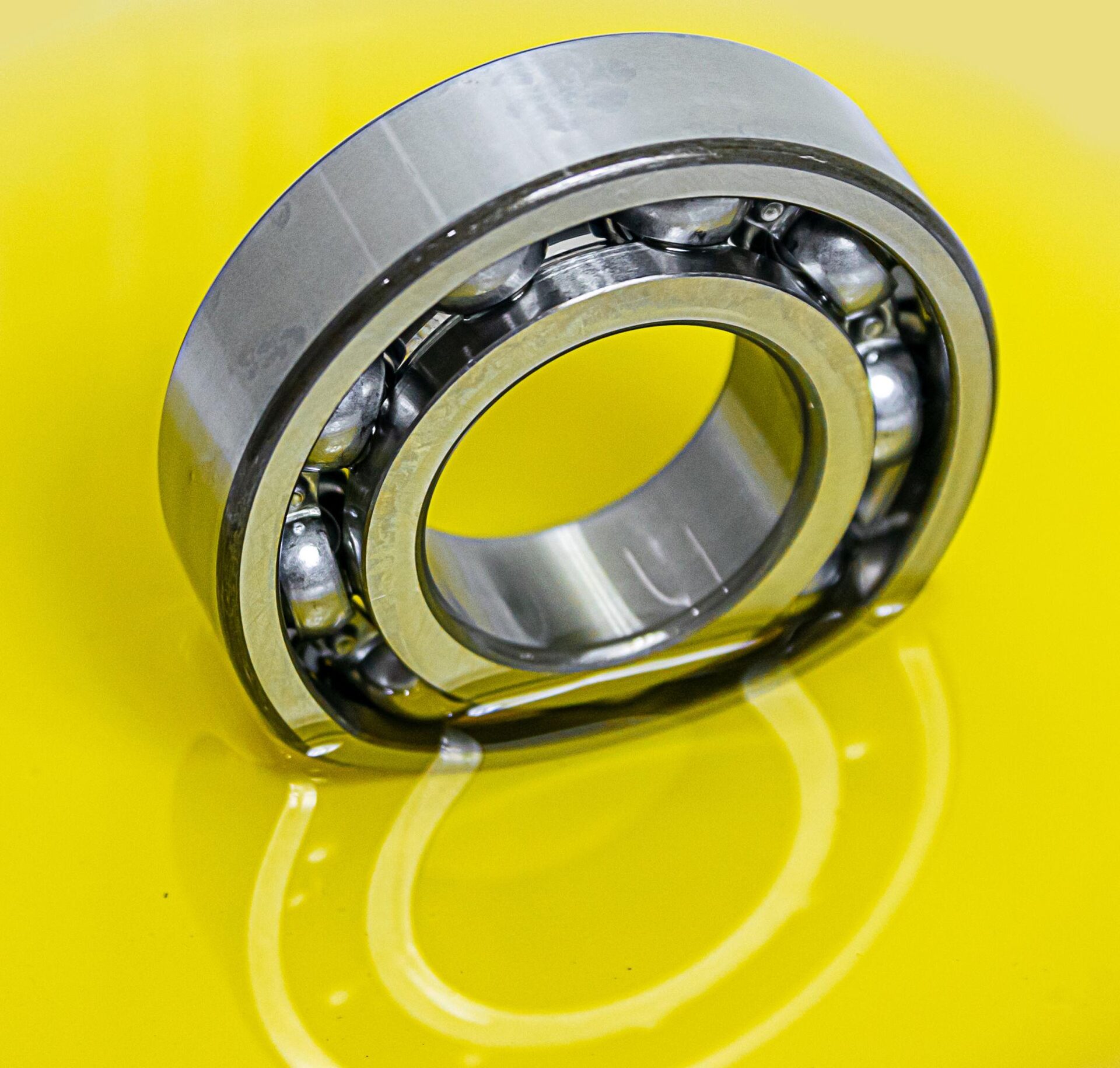
Key Lubricant Selection Factors
- Base Oil Viscosity
- Higher load and lower speed generally require higher base oil viscosity; high-speed bearings need lower viscosity to reduce heat.
- Thickener Type
- Thickener families differ in temperature capability, water resistance, shear stability, and compatibility.
- NLGI Grade
- Consistency affects pumpability, retention, and suitability for manual, automatic, or centralized lubrication systems.
- Load and EP Protection
- Heavy-duty applications may require EP performance and strong mechanical stability.
- Operating Temperature
- Heat can oxidize base oil, degrade thickener, and cause bleeding, hardening, or leakage.
- Water Resistance
- Wet or washdown environments require suitable resistance to washout and corrosion.
- Compatibility
- Mixing incompatible greases can change consistency and reduce protection.
- Re-Greasing Interval
- Interval depends on speed, bearing size, temperature, load, environment, and operating hours.
Common Operating Problems and Technical Symptoms
| Problem / Symptom | Possible Technical Cause |
|---|---|
| Over-greasing | Can cause heat, churning, seal damage, and energy loss. |
| Under-greasing | Can lead to metal contact, wear, noise, and bearing failure. |
| Grease hardening or softening | May indicate temperature stress, contamination, oxidation, or incompatibility. |
| Water washout | Leads to corrosion and loss of lubrication. |
| Electric motor bearing failure | Often linked to wrong grease quantity, wrong interval, or unsuitable grease type. |
Austin Technical Approach
Austin supports customers with grease selection by bearing type, speed factor, load, operating temperature, water exposure, environment, and application method. Austin separates Heavy Duty EP Grease from High Temperature Grease so customers can clearly choose by application need.
Recommended Austin Product Groups
Austin GreaseMax EP
Pro
View product →Austin EP Grease
Standard
View product →Austin GreaseMax HT Pro
Pro
View product →Austin High Temp Grease
Standard
View product →Related Austin Technical Services
Grease application survey, compatibility review, re-greasing recommendation, bearing lubrication training, and maintenance practice review.