
Protect Gearboxes from Load, Wear, Heat, and Contamination
Industrial Gearbox Lubrication
Industrial gearboxes convert power and torque under heavy load, shock load, variable speed, and often harsh operating environments. Gear oil must protect gear teeth and bearings while controlling heat, wear, oxidation, foam, water, and deposits. A gearbox failure can stop production, damage connected equipment, and create high repair cost.
Why Lubrication Matters
Gearbox lubrication is more technical than simply selecting an ISO viscosity grade. The correct gear oil depends on gear geometry, speed, load, operating temperature, metallurgy, EP requirement, micropitting risk, contamination exposure, seal condition, sump volume, and oil analysis trends. The lubricant must provide film strength while avoiding excessive churning loss and heat generation.
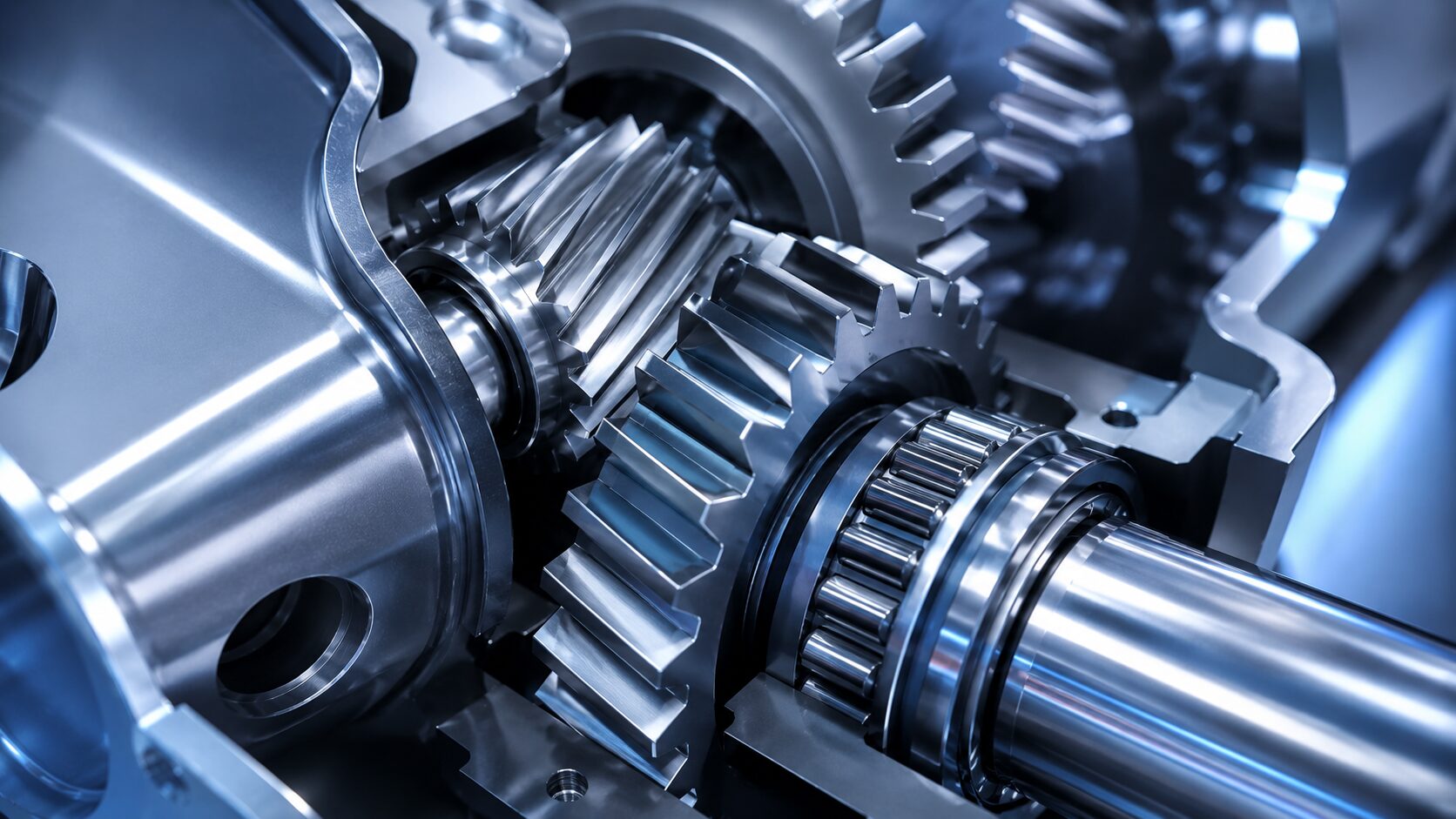
Key Lubricant Selection Factors
- Viscosity by Speed and Load
- Low-speed, high-load gearboxes generally need higher viscosity for film strength. High-speed units require a viscosity that reduces churning loss and heat while still protecting gear teeth and bearings.
- Extreme Pressure Protection
- EP performance helps protect gear surfaces under high load and sliding contact. The correct EP chemistry must match gear type, metallurgy, temperature, load, and OEM requirement.
- Micropitting Resistance
- Modern gearboxes with high contact stress may suffer micropitting if lubricant film and surface protection are insufficient. Micropitting can gradually lead to noise, vibration, efficiency loss, and gear tooth damage.
- Oxidation and Thermal Stability
- High temperature accelerates oil aging, viscosity increase, sludge formation, varnish, and deposits. Oxidized gear oil can also contribute to seal issues and poor lubrication.
- Water Separation and Corrosion Protection
- Water can reduce film strength, promote corrosion, deplete additives, damage bearings, and accelerate fatigue.
- Foam Control and Air Release
- Foam reduces effective oil film and may cause overflow, poor lubrication, oxidation, and unreliable oil level reading.
- Seal Compatibility
- Oil must be compatible with seal materials. Leakage can also result from wrong viscosity, pressure build-up, contamination, high temperature, or worn seals.
Common Operating Problems and Technical Symptoms
| Problem / Symptom | Possible Technical Cause |
|---|---|
| Gear tooth wear, scuffing, or pitting | May indicate inadequate viscosity, insufficient EP protection, contamination, overload, or misalignment. |
| Bearing damage | Often linked to particles, water, wrong oil level, incorrect viscosity, or degraded oil. |
| High operating temperature | May come from wrong viscosity, overfilling, underfilling, poor ventilation, overload, misalignment, or oil oxidation. |
| Leakage | Can be linked to seal wear, compatibility issue, overfilling, blocked breather, high temperature, or wrong viscosity. |
| Abnormal vibration or noise | May indicate gear damage, bearing wear, lubrication starvation, contamination, or alignment issue. |
Austin Technical Approach
Austin supports gearbox reliability by reviewing gearbox type, load, speed, ratio, sump volume, oil temperature, OEM requirement, contamination exposure, current lubricant, and oil analysis results. Austin can recommend GearMax Pro, Gear EP, GearMax Pro MP, and Gear EP MP depending on severity and micropitting risk.
Recommended Austin Product Groups
Austin GearMax Pro
Pro
View product →Austin Gear EP
Standard
View product →Austin GearMax Pro MP
Pro
View product →Austin Gear EP MP
Standard
View product →Related Austin Technical Services
Gearbox lubrication survey, oil analysis, wear metal monitoring, viscosity trend review, water contamination control, product conversion support, and reliability review.